Missing a hearing or filing deadline in San Luis Obispo County can cost an attorney a client or a plaintiff their day in court. With caseloads rising and judicial calendars tightening, mastering SLO Court Calendar strategies for attorneys and plaintiffs has become a practical necessity rather than a nice-to-have skill. This overview breaks down the most common pain points and outlines actionable solutions that help legal professionals and self-represented litigants navigate the San Luis Obispo Superior Court system more effectively.

Why SLO Court Calendars Create Unique Challenges
San Luis Obispo County operates with a centralized Superior Court system that handles civil, criminal, family, and probate matters across a single jurisdiction. Unlike larger metropolitan courts with multiple courthouses, SLO County consolidates most proceedings into fewer venues, which means calendars fill quickly and rescheduling options are limited.
For attorneys managing cases across multiple California counties, tracking SLO-specific calendar rules adds another layer of complexity. Each department may have distinct call times, department-specific rules for motion filings, and varying preferences for how continuances are requested. Plaintiffs without legal representation face an even steeper learning curve, often discovering procedural requirements only after a deadline has passed.
Key Strategies for Tracking Dates and Filing Deadlines
The foundation of any effective court calendar strategy starts with centralized tracking. Attorneys handling multiple SLO cases benefit from case management software that syncs directly with the court's online portal, pulling hearing dates automatically rather than relying on manual entry. For plaintiffs, a simpler approach works: maintain a dedicated calendar with color-coded reminders set at 30, 14, and 3 days before each appearance.
San Luis Obispo Superior Court posts its master calendar online, organized by department and case type. Checking this calendar weekly rather than at the start of a case ensures awareness of any judicial schedule changes, department closures, or calendar resets that may affect pending matters.
Filing Deadlines and the Risk of Missed Appearances
Missing a case management conference or status conference in SLO County rarely results in immediate dismissal, but repeated nonappearances can trigger sanctions, default judgments, or case dismissal without prejudice. Attorneys should build buffer time into every deadline, accounting for the possibility of technical failures in electronic filing systems or unexpected travel delays on Highway 101.
Plaintiffs representing themselves should pay particular attention to the difference between filing deadlines and hearing dates. Filing a motion by the deadline does not guarantee the court will hear it at the next available session; in SLO County, contested motions often require advance coordination with the clerk's office to secure a slot on the calendar.
Coordinating with Opposing Counsel and Court Staff
Effective calendar management in SLO County is rarely a solo effort. Attorneys who communicate proactively with opposing counsel about scheduling conflicts reduce the number of contested continuance motions, which saves judicial resources and preserves goodwill. A phone call or email suggesting an alternative date often resolves scheduling disputes faster than filing a formal motion.
When disputes cannot be resolved informally, understanding the local rules for requesting a continuance becomes critical. San Luis Obispo Superior Court requires specific documentation for continuance requests, and judges typically deny last-minute requests unless extraordinary circumstances exist.
Building a Sustainable System That Reduces Stress
The most effective SLO Court Calendar strategies combine technology with disciplined habits. Attorneys who audit their calendars monthly, confirm hearing dates with the clerk's office, and maintain backup systems for critical reminders experience fewer surprises. Plaintiffs benefit from attending a court self-help session early in their case, where staff can explain how to read the calendar and what to expect at each stage.
Ultimately, the goal is not perfection but reliability. A consistent system that accounts for the realities of San Luis Obispo County's court schedule protects both attorneys and plaintiffs from the costly consequences of a missed date.
Ox + Anchor | Visit SLO

Ox + Anchor | Visit SLO
SLO Metrics That Shape Reliable Storage | Simplyblock
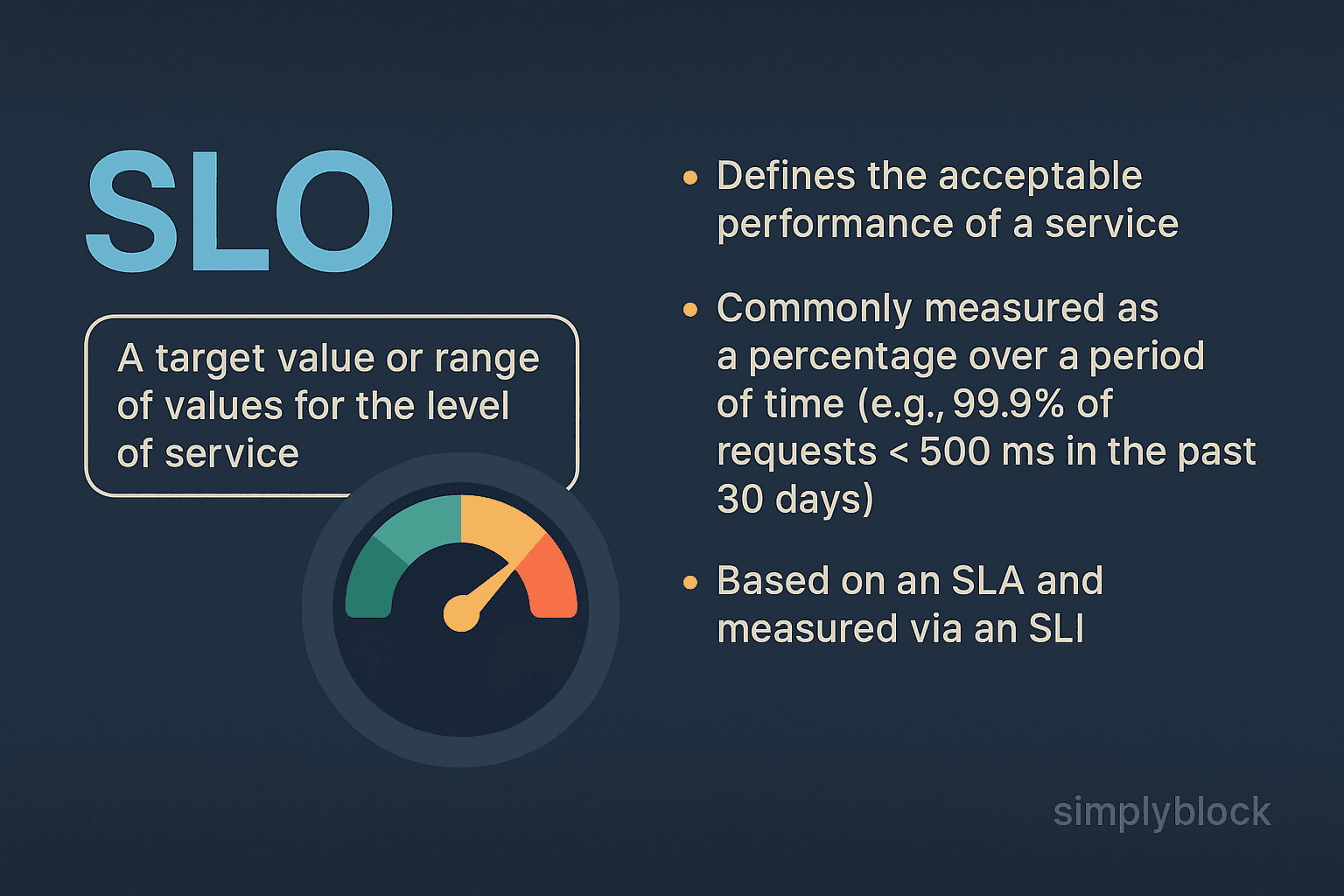
SLO Metrics That Shape Reliable Storage | Simplyblock
SLO Monitoring: A Practical Guide | SigNoz
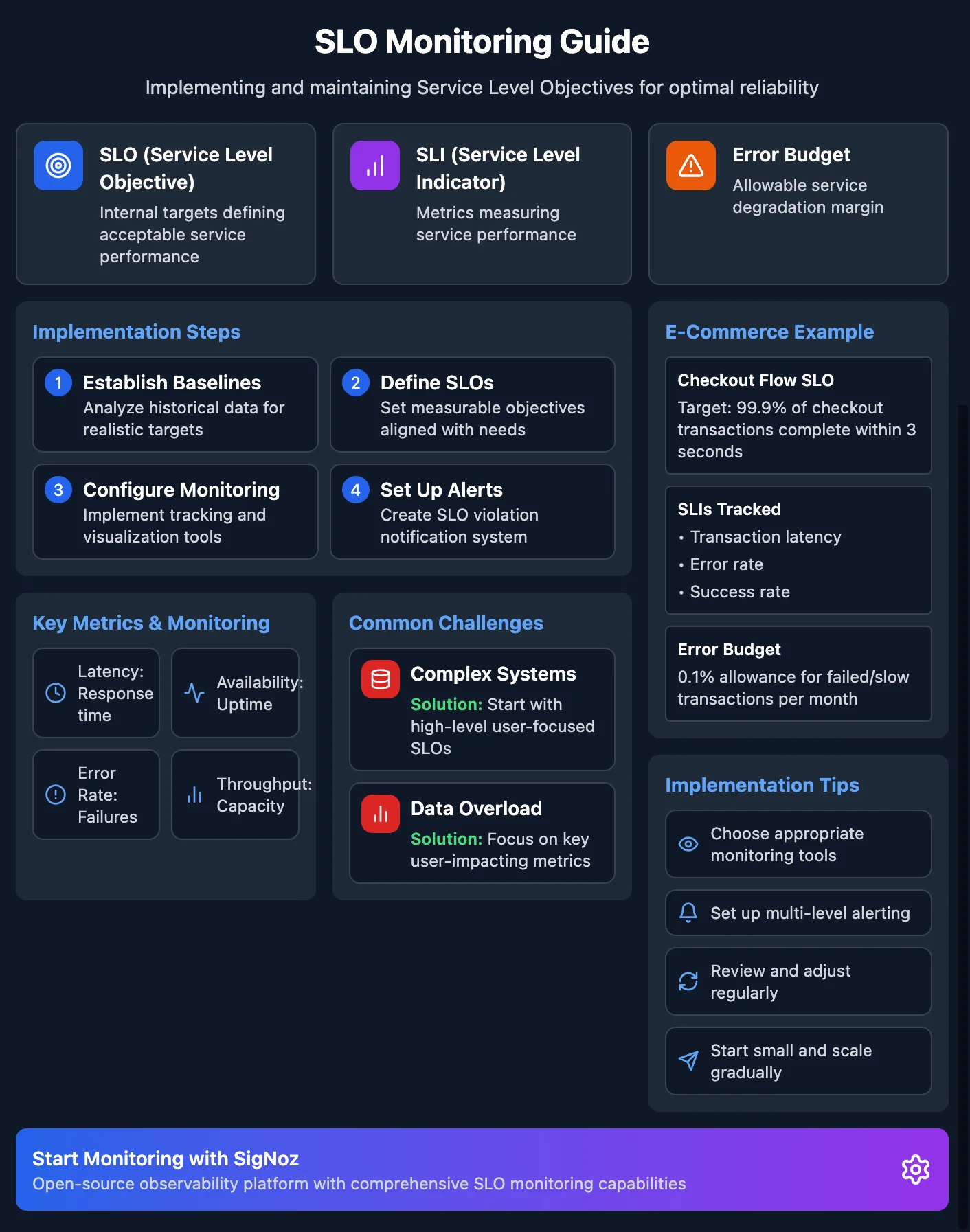
SLO Monitoring: A Practical Guide | SigNoz
Is Cal Poly Slo D1?

is Cal Poly Slo D1?